
Why You Should Never DIY a Broken Spring Repair
You hear a thunderous crack from the garage, and suddenly, your heavy steel door refuses to budge. This classic symptom points directly to a broken spring, the most common mechanical failure in modern garage systems.
While the do-it-yourself spirit drives many homeowners to grab a toolbox and head to the local hardware store, this specific repair sits in a category of its own. Unlike fixing a leaky faucet or painting a fence, handling high-tension springs involves extreme physical risks that can lead to severe injury or significant property damage. Understanding the mechanics of your door will help you realize why calling Garage Door Repair Coral Springs remains the only safe choice.
The Invisible Power of Garage Door Springs
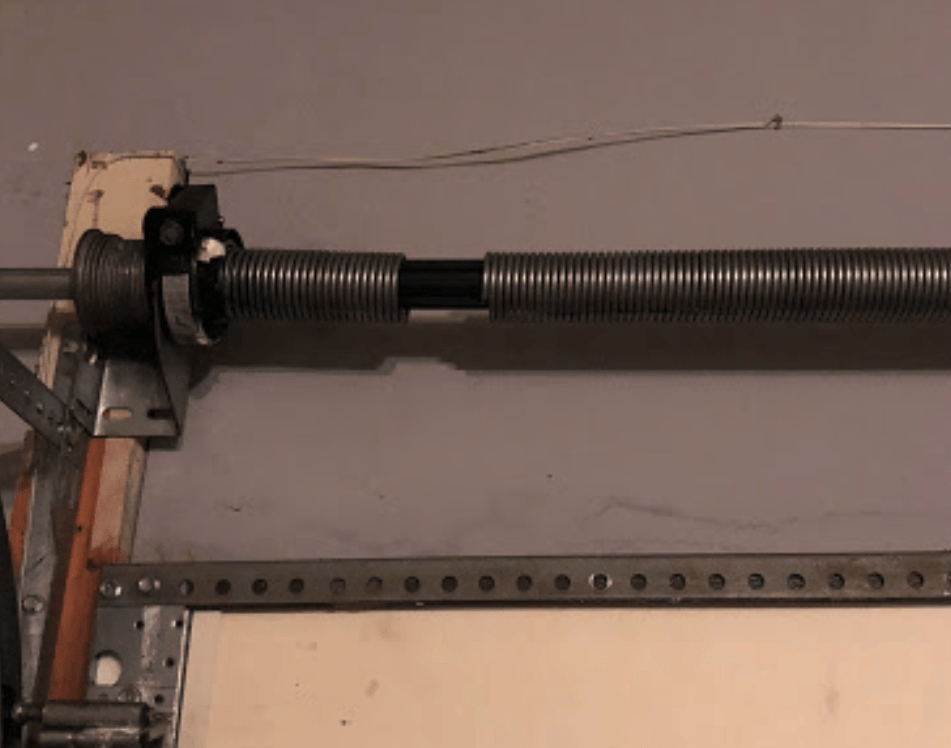
A garage door spring acts like a massive battery, storing mechanical energy to counteract the immense weight of the door. Whether you have a torsion spring system above the door or extension springs along the tracks, these components remain under hundreds of pounds of torque. Every time the door closes, the coils tighten, waiting to release that energy to assist the next lift. This tension makes the door feel light enough for a child to lift, but it also turns the spring into a dangerous projectile if it snaps during a repair attempt.
When you attempt to unwind or replace these springs without specialized winding bars and professional training, you gamble with your safety. A single slip of a wrench can release all that stored energy in a fraction of a second. This force frequently shatters tools, breaks fingers, and causes deep lacerations. Because the springs sit at head height, a failure during a DIY attempt often results in emergency room visits. Professional technicians spend years learning the precise physics of these systems to manage this tension safely.
Specialized Tools vs. Household Substitutes
Most homeowners lack the high-grade steel winding bars and heavy-duty locking pliers required for a successful replacement. Using a screwdriver or a pipe wrench as a substitute for a winding bar invites disaster. These makeshift tools can easily slip out of the winding cone, allowing the spring to spin uncontrollably. A spinning spring creates enough force to dent a car or punch a hole through a drywall ceiling.
Furthermore, springs come in thousands of variations based on wire size, length, and inside diameter. If you install a spring with the wrong specifications, you will either strain your opener’s motor or create an unbalanced door that crashes down unexpectedly. Professionals use calibrated scales to weigh your door and match it with the exact spring cycle rating needed for long-term performance. Buying a “close enough” part from an online retailer often leads to more expensive repairs down the road.
The Risk to Your Garage Door Opener
Beyond the physical danger, an improper DIY repair frequently kills your garage door opener. If you fail to balance the tension perfectly, the motor must pull the full weight of the door. This extra strain strips the nylon gears inside the opener and burns out the sensitive circuit boards. A professional doesn’t just swap the part; they perform a full balance test to ensure the door stays in place when stopped halfway. This precision protects your expensive automated system from premature failure and ensures smooth, quiet operation for years to come.
Fixing a broken spring requires more than just a YouTube tutorial and a pair of gloves; it demands respect for the immense physical forces at play. Don’t risk your safety or your home’s security on a dangerous DIY project. Contact the expert team at Garage Door Repair Coral Springs to handle the heavy lifting with the right tools and experience. We ensure your door returns to perfect working order without the risk of injury.